Exploring the psychology behind casino games and player behavior
The Allure of Casino Games
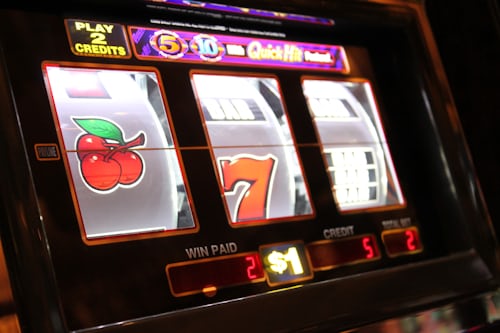
Casino games are designed to be visually captivating and emotionally engaging, drawing players into an immersive experience. The use of bright lights, enticing sounds, and the thrill of uncertainty all combine to create an environment that stimulates excitement and anticipation. This sensory overload plays into the human psyche, making it hard to resist the pull of a casino. Players often find themselves attracted not just by the potential for winnings, but also by online casinos nz and the overall atmosphere which can trigger feelings of happiness and elation.
Moreover, the possibility of winning big can lead to an adrenaline rush, akin to that experienced during other risky activities. This sensation is addictive and is a significant factor in why many individuals return to casinos time and again. The psychological impact of these games is powerful, as the design and environment are tailored to maximize retention and engagement, leading players to often chase losses in pursuit of the next win.
The Role of Gambling Psychology
The psychology of gambling is complex, encompassing various emotional and cognitive factors that influence player behavior. Cognitive biases such as the illusion of control can lead players to believe they can influence the outcome of an inherently random game. This misconception fosters a sense of agency, encouraging continued play despite statistical probabilities indicating otherwise. Players may feel that their skill or strategy can enhance their chances, which further entangles them in the experience.
Additionally, the concept of “near misses” can heighten this psychological effect. When players come close to a win, their excitement increases, prompting them to continue playing in hopes of achieving that elusive victory. This cycle of expectation and excitement creates a compelling narrative that keeps players engaged, often leading them to overlook the inherent risks involved in gambling.
The Impact of Social Factors
Social interactions significantly influence player behavior in casinos. Many players enjoy the communal aspect of gaming, whether it’s cheering with friends at a blackjack table or celebrating together during a slot machine’s jackpot. This social element contributes to the enjoyment of the games and can lead to prolonged play as players seek to maintain this social interaction. Peer dynamics often encourage individuals to gamble more, as they may feel pressured to keep up with friends or to join in on the excitement.
Moreover, the environment of a casino fosters social bonding through shared experiences. Players often engage in conversations about strategies, favorite games, or even past experiences, which can create a sense of belonging. This social validation can enhance the enjoyment of gambling, making players more likely to return, thus impacting overall player behavior and encouraging them to spend more time and money.
Behavioral Patterns and Decision-Making
The decision-making process of players in casinos often reflects the interplay between emotion and logic. Many players rely on gut feelings or emotions to make urgent decisions, such as when to place a bet or when to walk away. This reliance on emotional judgment can be influenced by various factors, including previous wins, losses, and the social atmosphere around them, which can skew rational thinking.
Moreover, cognitive dissonance plays a role in how players justify their behavior after losing. They may rationalize losses by thinking that their next bet will surely bring success, leading to a cycle of continued play despite negative outcomes. This psychological phenomenon underscores the significant impact of emotion on gambling behavior and decision-making, contributing to a player’s overall gambling experience.

The Importance of Responsible Gambling
Understanding the psychology behind casino games highlights the critical importance of responsible gambling practices. As players become aware of the psychological traps that can lead to excessive gambling, they can take steps to mitigate risks. Awareness of cognitive biases, social influences, and emotional triggers can empower players to set limits on their gambling behavior and recognize when to take a break.
Furthermore, many casinos and online platforms are increasingly promoting responsible gambling initiatives, providing resources and support for players who may be struggling with their gaming habits. By fostering a culture of awareness and responsibility, the industry aims to create a healthier gambling environment that prioritizes player well-being while still allowing for enjoyment and entertainment.